In a milestone event on 7 November, 2024, the United Nations adopted the Terms of Reference that would set forth the real work for a global tax convention. This groundbreaking decision is expected to contribute to transforming the skewed and dysfunctional post-World War II system that has defined economic and development relations between rich countries and Majority World countries, and between the few rich people and the billions living in poverty, as a continuation of the colonial system. Civil society groups are also rallying for a comprehensive and transformative approach to the financing for development ecosystem through similar calls for reform on international development cooperation at the United Nations. Central to these demands is the growing call for UN Conventions on ODA and Debt, respectively, towards ensuring inclusive and democratic governance of global financial architecture.
Economy
Davos: Reset the World Order That Takes from the Poor and Gives to the Rich
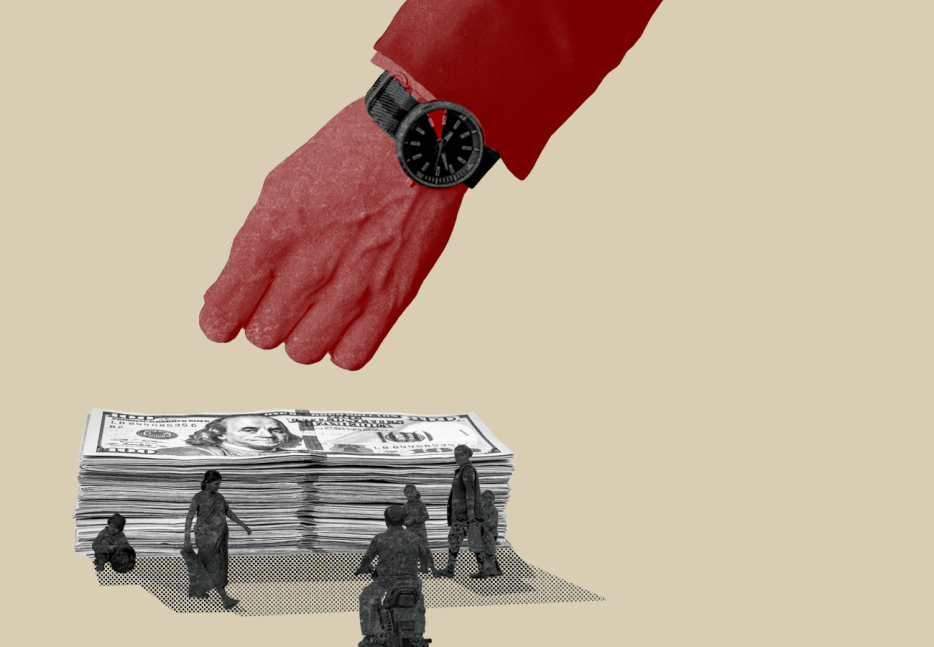

This push for change also resonates with the African Union. An African Central Bank, an African Monetary Fund, and a continental Mobile Money interoperability[1] are among the innovative financial solutions endorsed by African Heads of State on 21 July 2024 at the 6th Mid- Year Coordination Meeting in Ghana. Unfortunately, many such declarations by African leaders hardly get implemented and therefore neither impact lives nor improve Africa’s place within the global financial system. However, even with the right policy manoeuvres within the continent, a total reset cannot be envisaged without UN reforms, particularly within the Security Council, where Africa—despite its size and significance—remains excluded from permanent membership[2]. This lopsided economic system, rooted in both historical and modern colonial practices, has put more resources and power in rich countries and their elite and less in poorer countries, where it is most needed. According to Oxfam’s 2025 Davos report, $30 million flowed from Africa to the pockets of the richest 1% in rich nations every hour in 2024. Corporate agents of the colonial system Sectors such as agriculture and mining- which are the backbone of Africa’s economy realise very little gains in value terms owing to unchecked power and control of multinational corporations .
Practices such as price control and unfair wages have been used as instruments in a wider neo-colonialist scheme to disadvantage Africa and poorer countries. The rise of multinational corporations in monopoly and power is concerning. The world’s five largest corporations are valued higher than the total economic output of Africa, Latin America and the Caribbean combined. They have the power to control price of commodities; supply and production chains for fertilizer; seeds etc, while sidelining indigenous food systems and small holder farmers. There’s need to ensure that a new strategy for agriculture invests in mechanisms to assert accountability in the operations of corporate monopolies. The UN has raised concerns about the opacity of operations of the biggest grain traders who control 70% of the global grain supply. Aggressive tax planning by big corporates asserts the neocolonial playbook that big corporates have so well imbibed. Today Africa loses close to US$89 billion through illicit financial flows primarily from corporate tax dodging and aggressive tax planning. True change would also require significant shifts in the policies of international financial institutions such as the World Bank and the International Monetary Fund (IMF). Africa is currently reeling under a massive debt burden. Countries spent on average 34% of their revenues on debt servicing in 2024, leaving little resources for social services such as healthcare and education. Meanwhile, ninety-four percent of African countries (44 out of 47 countries) with current World Bank and International Monetary Fund (IMF) loans have cut vital investments in education, health and social protection over the past two years.

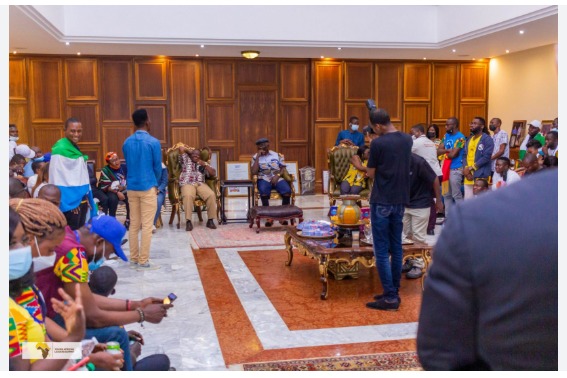
In 2024, three African presidents from Ghana, Kenya and Zambia [3] "called for 30% of African Sovereign reserves to be put in African Multinational Banks in Africa instead of foreign banks as part of the reforms that must happen.
Francis Agbere; Kwesi Obeng; Naomi Majale
Economy